
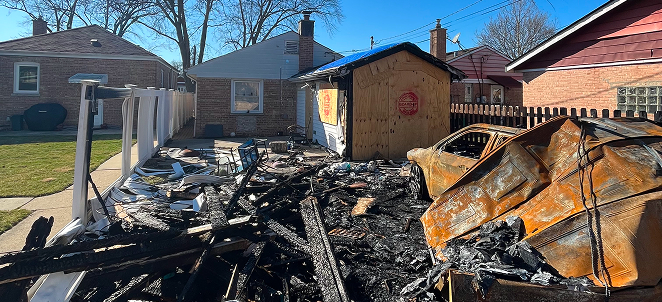
A house fire can turn your world upside down in a single night. Even after the flames are out, you are left with smoke, soot, water damage, and a long list of decisions that feel urgent. The best first move is to slow down and follow a clear plan that protects your family, supports your insurance claim, and sets you up for a clean recovery. If you are in the Chicago area and need help right now, GoDry Chicago provides 24/7 emergency fire damage cleanup and fire damage restoration.
Step 1 – Ensure Safety and Wait for Clearance
Before you step back inside, wait for fire officials to confirm it is safe. This matters even if the damage looks contained to one room. Fires weaken framing, shift supports, and damage wiring in places you cannot see. Smoke and soot also create hazards, especially for kids, older adults, and anyone with asthma or other breathing issues.
Even when the structure looks stable, several risks can still be present:
- Structural damage hidden behind drywall and ceilings
- Electrical issues from heat, melted insulation, or water used to extinguish the fire
- Sharp debris, broken glass, and unstable flooring
- Toxic residues and soot that can irritate lungs and skin
If you must enter briefly after clearance, wear sturdy shoes, gloves, and a mask. Avoid touching soot-covered surfaces and do not turn on lights or appliances until the electrical system is checked.
Step 2 – Contact Your Insurance Company
Once everyone is safe, call your insurance carrier as soon as possible. Early communication helps start the claim and reduces delays later. Ask what your policy covers, what documentation they need, and whether they have preferred vendors. You can use a preferred vendor, but you are not required to. What matters is choosing a reputable company that can do complete house fire cleanup and restoration work.
Take notes during every call. Write down names, dates, and what was discussed. If the home is not safe to occupy, ask about temporary housing support right away.
How Does Insurance Pay Out After a Fire?
Insurance payouts vary by policy, but many homeowners policies include three main areas: structure, contents, and additional living expenses.
- Structure coverage helps pay to repair or rebuild damaged parts of the home.
- Contents coverage helps replace personal belongings, furniture, clothing, and other items.
- Additional living expenses can help cover temporary housing, meals, and other costs if you cannot live in the home.
An adjuster typically inspects the property and estimates the damage. You may receive an initial payment to cover immediate needs, then additional payments as repairs are approved and completed. It helps to keep receipts for hotel stays, meals, clothing, and supplies. Clear records support your claim and make the process less stressful.
Step 3 – Determine What Can Be Saved
After a fire, it is natural to want to start sorting through belongings immediately. Try not to rush this step. Smoke and heat affect materials in different ways, and soot can permanently set into fabrics and surfaces if handled incorrectly. A professional restoration team can often save items that look ruined at first glance.
Start with a simple goal: document and protect what matters. If it is safe, take photos and videos of each room before moving items. Make a basic list of damaged belongings. Do not throw anything away until you have documented it and your insurer has given guidance.
What Is Salvageable After a House Fire?
Some items are more likely to be restored than others. Here are general guidelines, but keep in mind that professionals can often do more than DIY cleanup.
Items that are often salvageable:
- Metal and glass items that can be cleaned and deodorized
- Some hard furniture, depending on smoke exposure and heat damage
- Dishes, cookware, and certain household goods
- Important documents, photos, and keepsakes in some cases, depending on exposure
Items that are often not salvageable:
- Severely burned items and items with deep charring
- Porous materials with heavy smoke damage, such as mattresses and some upholstered furniture
- Food, medicine, and cosmetics exposed to heat or smoke
- Items with melted plastics or chemical contamination
Even when something is salvageable, it may not be cost-effective to restore. Your restoration team can help you decide what makes sense.
Step 4 – Begin Fire Damage Cleanup
House fire cleanup is not the same as normal cleaning. Soot can be toxic, smoke odors can sink into building materials, and water from firefighting can cause a second round of damage. DIY cleanup can also spread soot deeper into surfaces or lock stains in place if the wrong products are used.
Avoid these common mistakes:
- Wiping walls with water or household cleaners before proper soot removal
- Running the HVAC system before ducts and equipment are inspected
- Using vacuums that are not HEPA-rated
- Painting over smoke damage before proper cleaning and sealing
How Do You Clean Up After a House Fire?
Professional cleanup is typically done in phases. Your exact plan depends on the type of fire, how far smoke traveled, and whether water damage is present.
A complete fire damage restoration plan often includes:
- Emergency board-up to secure doors, windows, and damaged openings
- Water removal and drying if firefighting efforts soaked floors or wall cavities
- Smoke damage cleanup and soot removal from surfaces, ceilings, and contents
- Odor control using specialized methods that neutralize odor at the source
- Structural cleaning and sanitizing to restore a healthy environment
- Debris removal and preparation for repairs and rebuilding
This is why hiring trained technicians matters. They use protective gear, containment, air filtration, and the right cleaning chemistry for each type of residue.
Step 5 – Call a Trusted Fire Damage Restoration Company
Fast action after a fire reduces secondary damage and shortens the overall recovery. The right fire restoration company will help you stabilize the site, document the loss, and restore the home safely.
GoDry Chicago provides 24/7 emergency response for fire damage, smoke damage, and fire and water damage. Our team handles the full scope of recovery, including soot and smoke cleanup, odor remediation, water extraction and drying, debris removal, pack-out services, and reconstruction support. We also communicate with insurance carriers and provide the documentation adjusters expect, which helps keep the claim moving.
If you need immediate service, visit our page for Fire damage cleanup in Chicago and reach out right away.
We’re Here for You
A house fire is overwhelming, but you do not have to figure it out alone. Focus on safety first, document everything, contact your insurance company early, and let professionals handle cleanup and restoration. With the right plan, your home can be repaired, your belongings can be sorted properly, and life can start to feel normal again. If you need help now, GoDry Chicago is ready 24/7 to support complete house fire cleanup and fire damage restoration from the first call through the final repairs.