
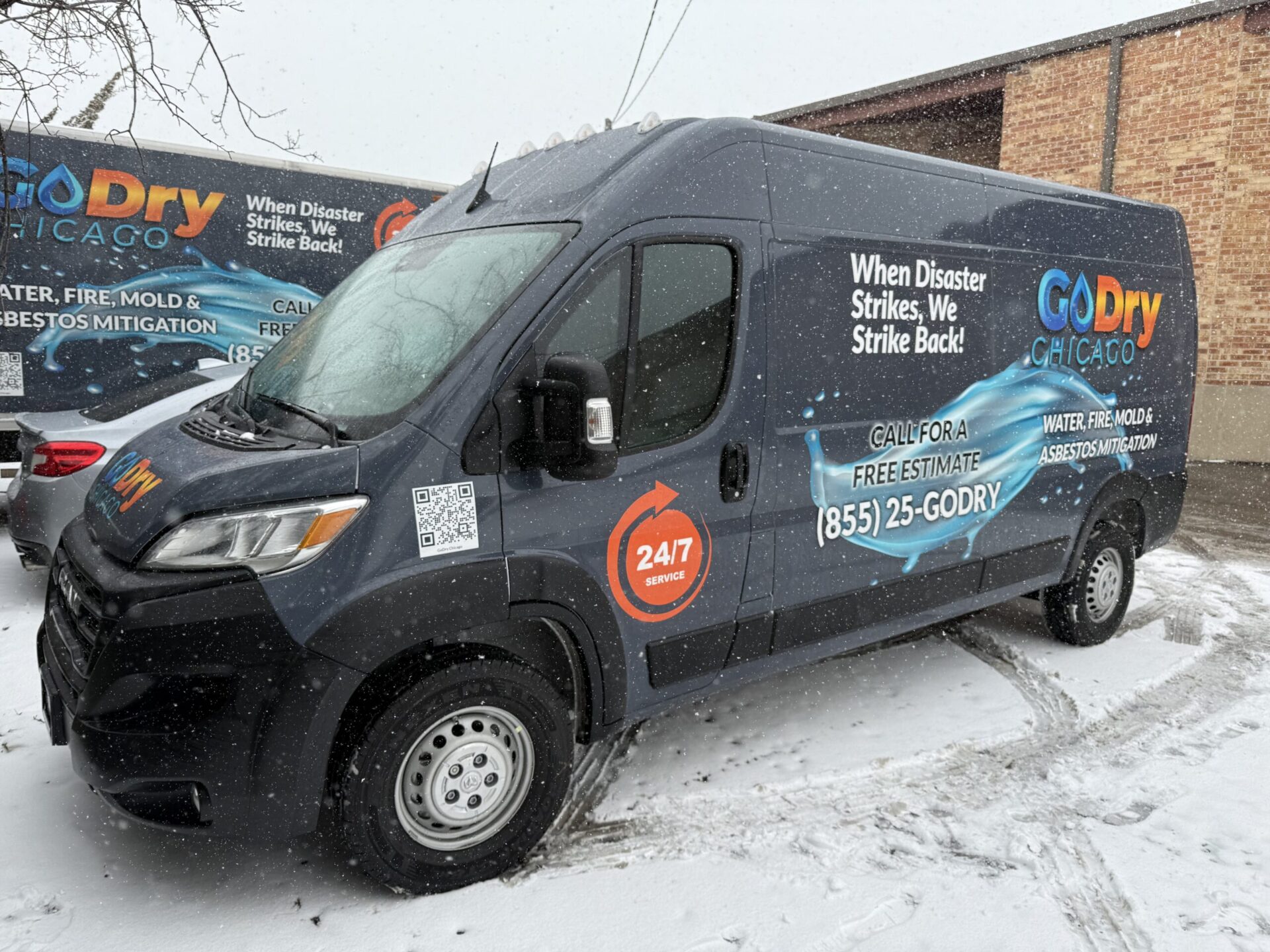
Water Damage Repair & Restoration Chicago
24/7 Emergency Water Removal in Chicago and the surrounding areas
Flooding in your home can be overwhelming and leave you scrambling for a solution. Whether it comes from a burst pipe, sump pump failure, or a hot water tank flood, water damage requires immediate intervention to prevent catastrophic damage.
At GoDry Chicago, we’re available 24/7 to provide expert water damage restoration services in Chicago and the surrounding cities, designed to remove the water, repair the damage, and restore your peace of mind.
From our location in Northfield, IL, we proudly serve homeowners throughout the Chicagoland area. Our team moves fast to get your home restored. Call now for immediate service!
Our Water & Flood Cleanup Process
Whether you have minor water damage from an appliance failure or leaking pipe to full-scale basement flood, our water removal cleanup services in Chicago cover projects of every size and scope. With more than 15 years of experience, our IICRC-certified team knows how to stop the damage, prevent mold growth, and rebuild what was lost.
Here’s how our water mitigation and restoration process works:
- Assessment and planning – We begin with a complete inspection using advanced moisture detection tools. This allows us to create a customized plan tailored to your specific water damage situation.
- Water removal and drying – Standing water is quickly extracted using professional-grade equipment. Then we use powerful air movers and dehumidifiers to make sure your property is completely dry.
- Water damage cleanup – Our team removes unsalvageable materials, cleans affected areas, and disinfects to ensure a safe environment. We prevent lingering issues like odors and hidden moisture pockets.
- Mold remediation – If moisture has created a mold issue, we perform containment and safe mold removal. We then sanitize and restore the space so it’s healthy again.
- Repairs and rebuilds – From drywall to flooring, we handle reconstruction to bring your property back to its pre-loss condition. Our goal is for you to walk back into a home that feels whole again.
Chicago’s Trusted Water Damage Restoration Specialists
Homeowners across Chicagoland and Northwest Indiana rely on our water damage mitigation expertise. As a veteran-operated company with a proven reputation, we respond within 60 minutes, use state-of-the-art technology, and even bill insurance directly to simplify the process for you. With GoDry Chicago, you never face water damage alone.
Flood Damage Restoration in Chicago
Flood damage Chicago homeowners deal with is often a different animal than “typical” water damage. A burst supply line in a kitchen might be clean water at the start. Flooding usually comes from outside the home or from overwhelmed systems, and it can carry silt, bacteria, and other contaminants. Cook County notes that floodwaters, standing water, and residue can create health risks, including infectious diseases and chemical hazards, and that anything that got wet should be cleaned and disinfected because it may contain sewage or chemicals.
That difference matters because flood restoration often requires more than drying. It can mean extra protective steps, deeper cleaning, and more careful handling of personal property.
Common Causes of Flooding in Chicagoland
Flooding can happen for several reasons, including:
- Seasonal downpours that drop a lot of rain in a short period, overwhelming drains and sewers
- River and creek overflow, especially near major waterways and tributaries like the Des Plaines River corridor and North Branch watershed
- Basement backups tied to combined sewers during storm events (older parts of the city are more prone to this)
- Snowmelt combined with spring rain, which can push water toward foundations and low spots
- Sump pump failures, frozen discharge lines, or power outages during storms
Areas That Commonly See Flooding Risk
Flooding is not limited to one zip code. It can hit neighborhoods far from rivers when drainage systems are overwhelmed. ABC7 reported examples of surface flooding impacting Chicago neighborhoods like Austin and East Garfield Park during severe storms.
On the suburban side, communities in known watershed corridors can be more prone during heavy rain. For example, the North Branch Chicago River watershed planning council includes communities like Glenview, Morton Grove, Niles, Skokie, and Park Ridge, among others. Along the Des Plaines River watershed area in Cook County, member communities include places like Des Plaines, River Grove, Franklin Park, and Elk Grove Village.
In the south suburban Calumet Corridor along the Little Calumet River, Cook County identifies flood-prone communities including Blue Island, Calumet City, Calumet Park, Dolton, Riverdale, and Robbins. In DuPage County, Salt Creek flood impacts can affect areas like Elmhurst and Villa Park when water levels rise.
If you are not sure whether your home is in a flood-prone area, flood maps and local guidance can help you check risk.
Frequently Asked Questions about Water Damage in Chicago
Got water damage questions? You’re not alone. Below are quick, straightforward answers to the things Chicago homeowners ask us most, from timing and drying to insurance and what to expect during mitigation.
How quickly should I start water mitigation in Chicago?
Immediately. The first 24 to 48 hours are critical. Water can soak into drywall, subfloors, and insulation fast. Quick mitigation helps limit structural damage and lowers the risk of mold and odors.
How long does the water mitigation process take?
It depends on how much water entered the home, the materials affected, and the temperature and airflow in the space. Many projects dry in several days, but larger losses or flood restoration work can take longer. The key is proper monitoring so drying is confirmed, not assumed.
Why can’t I just dry the carpet with household fans?
Household fans may move air, but they usually cannot control humidity or pull moisture from deep padding and subfloors. That can leave hidden wet spots that lead to odors, warping, or mold later. Professional water removal and drying uses commercial air movers, dehumidifiers, and moisture meters to confirm the home is truly dry.
What is the IICRC S500 and why does it matter for my home?
The ANSI/IICRC S500 is a professional standard for water damage restoration. It outlines procedures and precautions for restoring water-damaged buildings, including inspection, drying technology, equipment, safety, and project documentation. In plain terms, it’s a road map that helps ensure the job is done in a consistent, professional way, with verification and clear records.
Do you work directly with insurance companies?
Yes. We can provide documentation like photos, moisture readings, and scope details, and we can bill insurance directly to help simplify the claims process. You still stay in control of decisions, but you won’t have to manage the paperwork alone.
Call for Emergency Water Removal in Chicago
Don’t wait while water continues to cause damage in your Chicago home. Call GoDry Chicago now for emergency water removal or reach out to request a free inspection. Our team is standing by 24/7 to deliver fast, reliable water damage restoration you can trust.
GoDry Chicago's Restoration Services

Water Damage
We respond quickly to mitigate flooding, leaks, and restore your property.

Fire Damage
Comprehensive cleanup and restoration for smoke, soot, and structural damage.
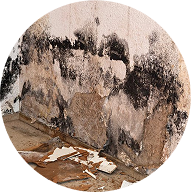
Mold Remediation
Expert mold removal and prevention to protect health and property.
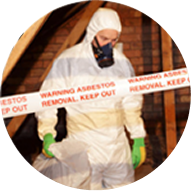
Asbestos Abatement
Our team quickly identifies, removes, and properly disposes of all asbestos- containing materials.

Z. Shareef
Harvey, IL
“GoDry Chicago came highly recommended. Santiago and his crew were awesome. Special shout outs to Mike, Chris and Terri as they were also wonderful. Anyone looking for basement projects hire this company!!! Will definitely use again!!!”
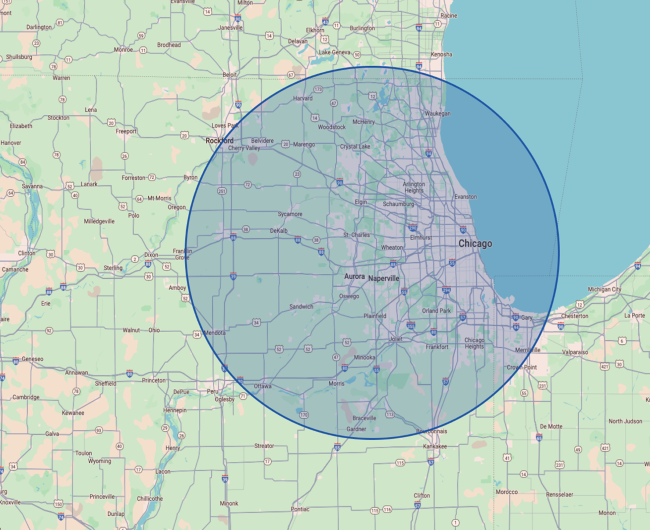
Serving the Chicagoland,
and Beyond
We serve the Chicagoland area, Southern Wisconsin, Northern Indiana, and beyond. Our commitment is delivering the best possible outcomes for our customers. Our approach is entirely focused on your needs, and your satisfaction and well-being are our foremost concerns.
If you’re dealing with water, fire, mold, or asbestos damage, call 855.25.GODRY for immediate help. We’ll start with a free inspection, walk you through next steps, and put a clear plan in place to restore your home the right way.